
Research Report: Fertility Control Slows Wild Horse Population Growth
Media Publicity
Read time: Three Minutes
Published: May 1, 2024
Written by:
AWHC Contributor
Research has shown thatfertility controlis effectively slowing the growth of wild horse populations in the Virginia Range. This humane approach offers a viable alternative to traditional management methods, such as helicopterroundups.
By Bob Conrad & Tatum Gogna
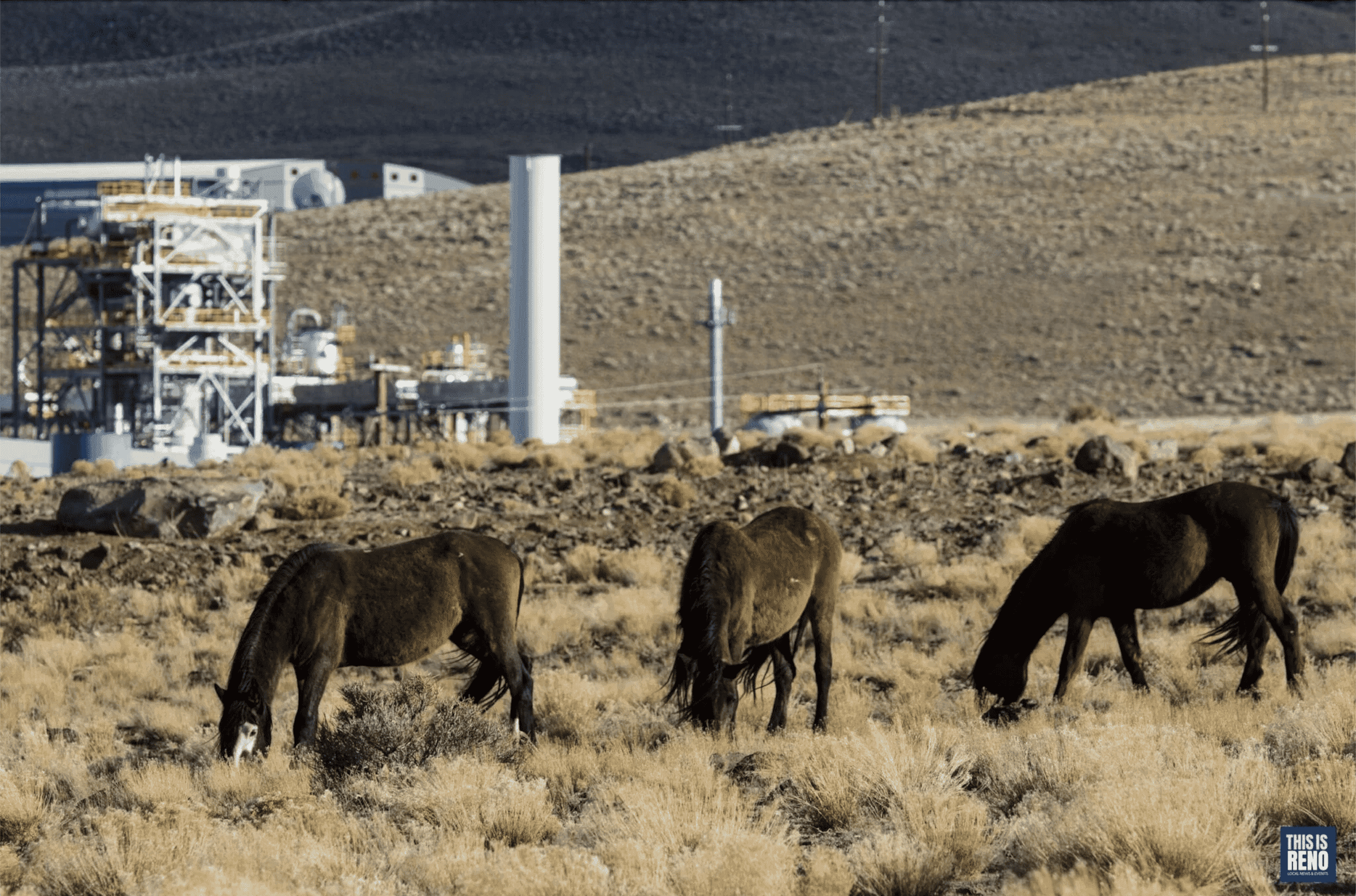
A recently publishedresearch articleshows fertility rates among Virginia Range feral-estray horses are slowing thanks to a darting program targeting wild mares. The range’s wild horses are considered “feral estray” because they are under the jurisdiction of the state, unlike the rest of Nevada’s wild horses, which fall under the federal government’s control.
The study’s authors include a faculty member at the University of Pretoria, Martin Shulman, and American Wild Horse Conservation (AWHC) personnel. They found that darting mares with the pZP vaccine since 2019 has slowed horse population growth on the Virginia Range.
In a recent report to the Nevada Board of Agriculture, Allison Hinkle, the Virginia Range program coordinator with AWHC, shared the news about the effectiveness of the Virginia Rangefertility controlprogram.
“The reduction in births paired with a high full mortality rate primarily due to predation has resulted in more deaths than births and thus negative population growth,” she said. “They have been able to confirm the population within the City of Reno rangeland interface has significantly declined.”
The research found that “foaling rates approximately halved in 2021 and by 2022 were further reduced by almost 60%. This was paired with a high foal mortality rate, peaking at 63% in 2022.”
AWHC representatives said the study’s findings show “further evidence of the feasibility of humanefertility controlas a viable alternative to helicopterroundupsand removals for wild horse management on Western public lands.”
“Our hope is that this study provides impetus to the growing calls for reform of the federalwild horse managementprogram, which relies on costly helicopterroundups, the unsustainable removal of wild horses, and confinement of these animals in tax-funded holding facilities,” said Nicole Hayes, AWHC’s conservation scientist.
A spokesperson for the Nevada Department of Agriculture said the agency had yet to review the study.
“The NDA has plans to conduct a population census this year (2024), and we would be happy to provide more information after that,” Ciara Ressel said. “What we can say is [that] scientifically proven methods offertility controlare a key component of a multifaceted approach needed to manage the Virginia Range, and the American Wild Horse Conservation has been one of our partners in working to protect the Virginia Range’s ecosystem from overgrazing by feral and estray horses.”
Tatum Gogna, a University of Nevada, Reno student minoring in agricultural and environmental communication, contributed to this report.
Subscribe to our newsletter: