
Success and Controversy in Wild Horse Adoption Programs
Media Publicity
Read time: Four Minutes
Published: May 24, 2024
Written by:
amelia perrin
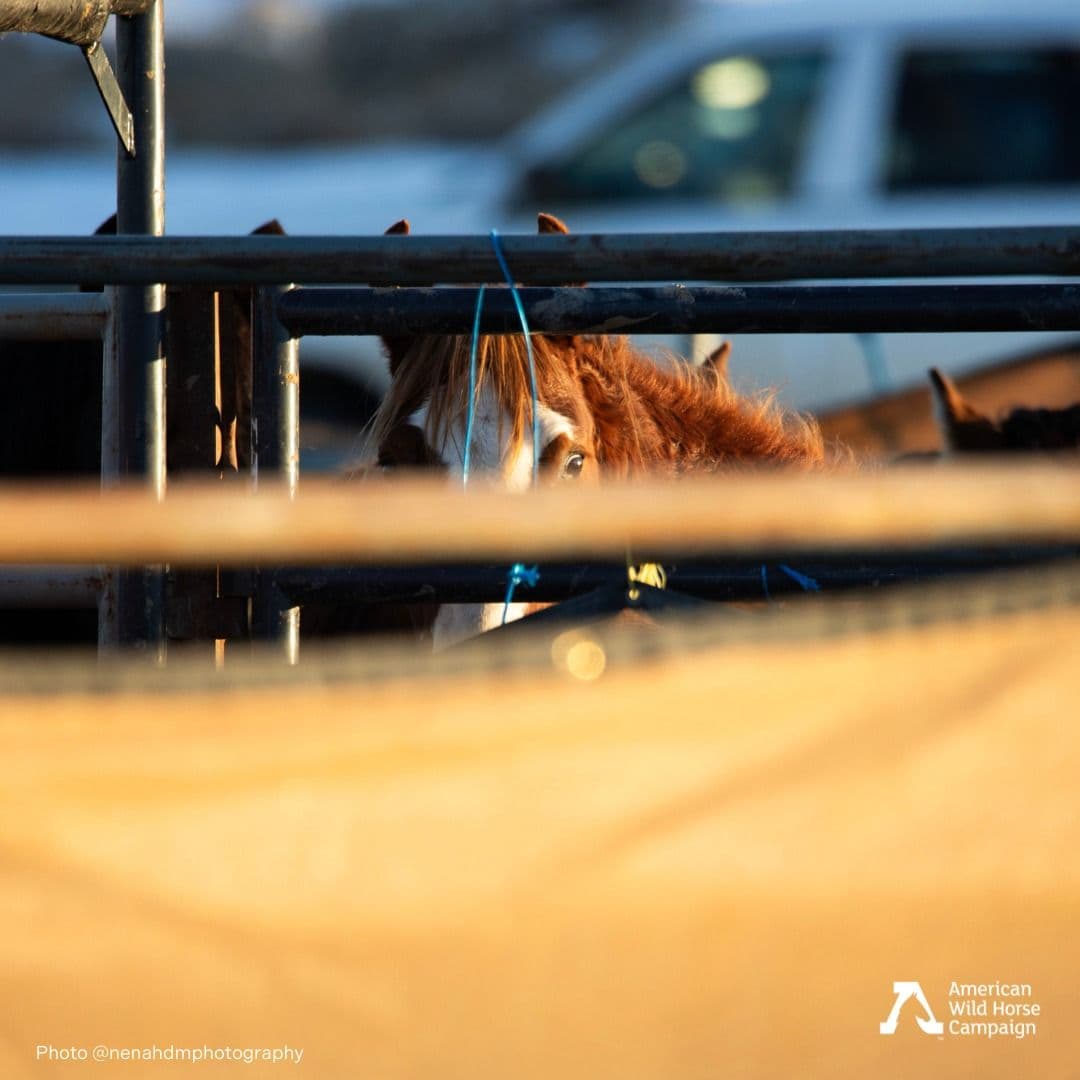
Recent discussions have emerged regarding the Bureau of Land Management's (BLM) wild horse adoption program. While some praise its financial benefits, others, including the American Wild Horse Conservation (formerly American Wild Horse Campaign), criticize its effectiveness and ethical implications.
A free-market environmental group has recommended expanding a Bureau of Land Management wild horse and burro adoption program that it says is saving taxpayers millions of dollars a year. A wild horseadvocacygroup has called the program a failure.
The Property and Environment Research Center issued a report that recommended increasing the financial incentive to adopt wild horses and burros from $1,000 to $3,000, or establishing a "frequent adopter" program where people who adopt consistently can be eligible for bonuses.
The group also recommended harnessing private partnerships to place more wild horses and burros in the eastern part of the U.S. If a "Pony Express" were to be established to transport horses east, there could be a rise of adoptions, said Brian Yablonski, CEO of the center.
Population Explosion
The country's wild horses—many of which live on public land in Nevada—are an icon of the American West but for years have been struggling with overpopulation. Left unattended, the feral horses reproduce too quickly and cause strain on the environment.
In the West, there are 73,000 wild horses and burros onpublic lands, nearly three times the national estimated sustainable threshold of 27,000, according to the report.
To control the population, theBLMgathers and removes wild horses and burros frompublic lands, and in some locations uses birth control to slow population growth. Five years ago, it implemented a wild horse incentive program, which provides incentives to adopt the animals. More than 62,000 horses live in off-range pastures and facilities, which cost taxpayers $108.5 million in 2023, the report said.
Since the program began, 15,000 wild horses and burros have been adopted, saving taxpayers $66 million in holding costs. The program is on track to provide homes to more than 30,000 animals, according to the report.
Annual adoptions have more than doubled since the adoption incentive program went into effect, according to the report, which said it is expected to save $100 million in taxpayer dollars. The report suggests using some of the money saved through the adoption program to support other strategies to alleviate the overpopulation, such as investing in immunocontraception efforts and expanding training programs that make the wild horses more appealing to adopt.
The Critics
Amelia Perrin, senior communications manager with the American Wild Horse Conservation, called the adoption incentive program a failure.
Perrin argues that offering cash incentives makes the problem worse and that the program is not adopting out enough wild horses to come close to the number of horsesBLMis rounding up. The adoption market is not keeping up with the demand, Perrin said.
Her organization claims the adoption program is a pipeline to slaughterhouses, as nefarious adopters enter the program, and theBLMdoesn't do background checks on first-time adopters.
American Wild Horse Conservation advocates for the use of afertility controlprogram with doses ofPZP, an immunocontraceptive vaccine used for managing wildlife populations. Rather than cash incentives, her group advocates for veterinary vouchers to offset the costs of care for the horses.
Perrin claims theBLM's holding facilities have poor conditions, and in one facility in Winnemucca, Nevada, representatives from American Wild Horse Conservation found what they called "disturbing conditions," including a severely injured, dead or dying foal lying in a pen, as well as overcrowding and a lack of shelter and windbreaks.
TheBLMdenies horses are held in crowded holding pens and asserts the short-term holding corrals provide ample space for horses.
BLM Safeguards
TheBLMsaid it has policies in place to safeguard the animals. It requires adopters to provide one year of good care before title of ownership is transferred, and where the animal lives must be approved by theBLM, according to its website. After a year, a veterinarian or county extension agent must verify the humane care and treatment and sign a letter to return to theBLMbefore the animal becomes private property.
It also requires a signature from the adopter to certify under penalty of prosecution the animal will be provided humane care and the adopter will not knowingly sell the animal or transfer ownership to a person or an organization intending to give the animal to slaughter or processing into commercial products.
Subscribe to our newsletter: